

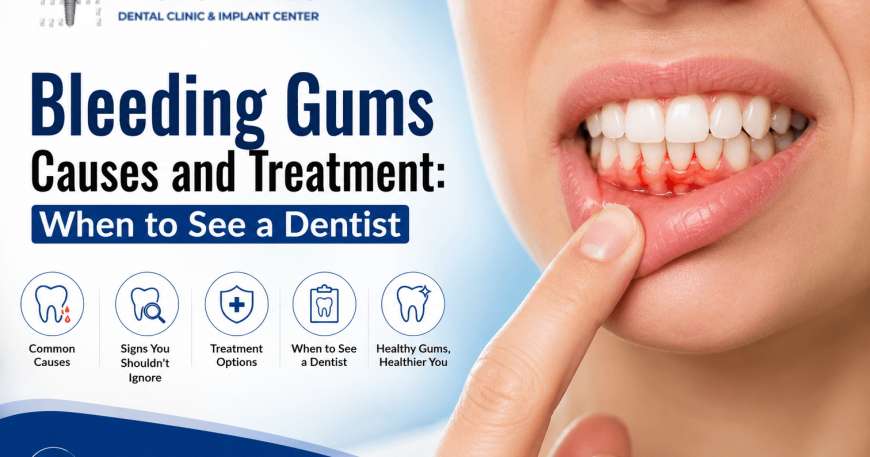
Have you seen any traces of blood while brushing your teeth and flossing? Bleeding gums are considered nothing out of the ordinary by many people, believing that either they brushed their teeth very hard or somehow irritated their gums. Yet, it is possible that this condition occurs not due to the negligence of patients, but because of an issue with their dental health.
Knowing the causes and treatments of bleeding gums will allow avoiding additional dental concerns later in life. Indeed, in severe instances, these conditions may lead to infections and tooth loss.
This blog post is dedicated to discovering the reason for bleeding gums, available treatments, and occasions where visiting a dentist becomes necessary.
Why Are My Gums Bleeding?
One of the most frequent inquiries made by patients is why their gums are bleeding. Although occasional gum bleeding may result from forceful brushing, bleeding gums are never something that can be disregarded if it happens recurrently.
Gums that are in good shape will not bleed even if they are brushed. In the case that they do, there is usually something wrong with the oral cavity that needs to be addressed.
Some of the possible reasons for bleeding gums are:
- Unhealthy oral habits, which lead to plaque formation
- Gingivitis
- Periodontitis
- Brushing teeth too vigorously
- Incorrect flossing procedures
- Lack of vitamins, especially C and K
- Pregnancy hormonal changes
- Smoking and other forms of tobacco use
- Certain medications, including anticoagulants
- Medical conditions such as diabetes
Knowing what is behind the issue is vital since treatments may differ depending on the problem severity.
Gingivitis: The Most Common Cause of Bleeding Gums
Another common cause of bleeding gums is gingivitis, which is a condition characterised by the buildup of plaque around the teeth and gum lines.
Gingivitis refers to gum disease in its milder forms. It results from a substance known as plaque accumulating inside the mouth as a result of failure to brush one’s teeth properly.
Some of the most common signs of gingivitis include:
- Swollen gums
- Bleeding gums especially during brushing and flossing
- Soreness around the gum area
- Chronic halitosis (bad breath)
- Mild irritation of the gums
Gingivitis is a relatively treatable condition if detected early. Treatment may involve a visit to a dentist and proper oral care practices.
Can Bleeding Gums Be a Sign of Gum Disease?
Yes. Bleeding gums are the very first symptoms associated with gum disease.
The problem with untreated gingivitis is that it can become periodontitis, which means that the disease is becoming more severe.
Advanced stages of gum disease include such symptoms as:
- Recession of gums
- Loosening of teeth
- Pus formation in gums
- Pain when chewing food
- Sensitivity of teeth
- Formation of spaces between teeth
Unlike gingivitis, advanced gum disease needs further treatment to avoid tooth loss.
Bleeding Gums Causes and Treatment
The best way to treat this condition relies on the cause of it.
Professional Dental Cleaning
Patients who experience bleeding due to tartar build-up usually have to go through the process of dental cleaning as it is the first step to stop the inflammation and heal the tissues.
Scaling and Root Planing
This type of deep cleaning includes two separate techniques used to eliminate bacteria and tartar under the gums. It is recommended in cases when a patient suffers from periodontal disease that has affected deeper tissues.
Proper Oral Hygiene Practices
Maintaining healthy teeth and gums requires consistent work and commitment to proper dental hygiene practices.
These include:
- Daily brushing with a soft toothbrush
- Daily flossing
- Mouth rinsing with an anti-bacterial solution
- Regular visits to your dentist
- Toothbrush change every three months
A Healthy Diet
Sometimes vitamin deficiency leads to gingival diseases. Consuming nutritious food including vitamins and minerals contributes to the better state of gums.
Changes in Lifestyle
Cigarette smoking plays a significant role in the development of gingivitis as it slows down the process of healing.
Home Remedies: Do They Work?
A number of individuals look out for natural treatments when they see bleeding gums. Although some treatments might help temporarily, they cannot be used as substitutes for clinical treatment.
Some helpful natural actions include:
- Rinsing with warm salty water
- Drinking enough water
- Practicing good oral hygiene
- Consuming foods that are rich in nutrients
- Quitting smoking
Nevertheless, if the condition continues beyond a couple of days, it is imperative to seek treatment from a dentist.
When Should You See a Dentist?
A rare instance of slight irritation is nothing to worry about. But, persistent or repeated bleeding should definitely be checked by a dentist.
Visit your dentist if:
- There is persistent bleeding from the gums while brushing or flossing
- There is swelling or discoloration
- There is bad breath even after practicing proper oral hygiene
- The gums seem to be shrinking
- There is a looseness in your teeth
- There is any kind of pain or tenderness in your gums
Early detection can lead to simpler treatment procedures and help avoid complications.
How Can You Prevent Bleeding Gums?
Prevention is definitely better than cure. Practicing proper dental care will certainly help prevent problems associated with your gums.
Here are some prevention strategies you can take to prevent your gums from getting sick:
- Correct brushing two times a day
- Daily flossing
- Routine visits to the dentist twice per year
- Eating low amounts of sweets and drinks
- Drinking lots of water
- No smoking
- Controlling health problems like diabetes
Following all of the above practices will keep your gums healthy.
Looking for Gum Disease Treatment in Delhi?
Never overlook the issue of bleeding gums because what might appear to be a small inconvenience can become a big problem if neglected at an early stage.
At Wisdom Bites Dental Clinic, we have a professional and experienced dental team who pay close attention to diagnosing patients and providing appropriate preventive measures and treatments for patients. If you are facing any issues related to bleeding gums or need advanced gum disease treatment, then our dental experts will be glad to assist you.
If you are seeking a bleeding gums specialist in Pitampura or looking for gum disease treatment in Delhi, then getting in touch with us will ensure you receive the best service.
Frequently Asked Questions
1. Is it normal that my gums bleed when I brush?
Ans. Bleeding gums aren’t a natural occurrence. If this happens regularly, it might mean that your gums are inflamed and need to be examined by a specialist.
2. Do bleeding gums heal independently?
Ans. This problem might disappear after proper oral hygiene, but, in case it persists, you have to see a dentist.
3. What causes bleeding gums?
Ans. Gingivitis, the initial stage of gum disease, is one of the most common reasons for bleeding gums. Inflammation arises due to accumulated plaque near the teeth.
4. How long does gingivitis therapy take?
Ans. The majority of gingivitis cases are successfully managed in several weeks with regular professional cleaning.
5. Does stress cause my gums to bleed?
Ans. Though stress alone doesn’t lead to bleeding gums, it might make you more prone to various diseases, including gingivitis and its consequences.
6. When should I start worrying about bleeding gums?
Ans. If it appears often along with swelling, tooth mobility, or bad breath, you should contact a dentist as quickly as possible.

