

Gum Flap Surgery & Bleeding Gums Treatment
Gum Flap Surgery in Pitampura — When You Need It
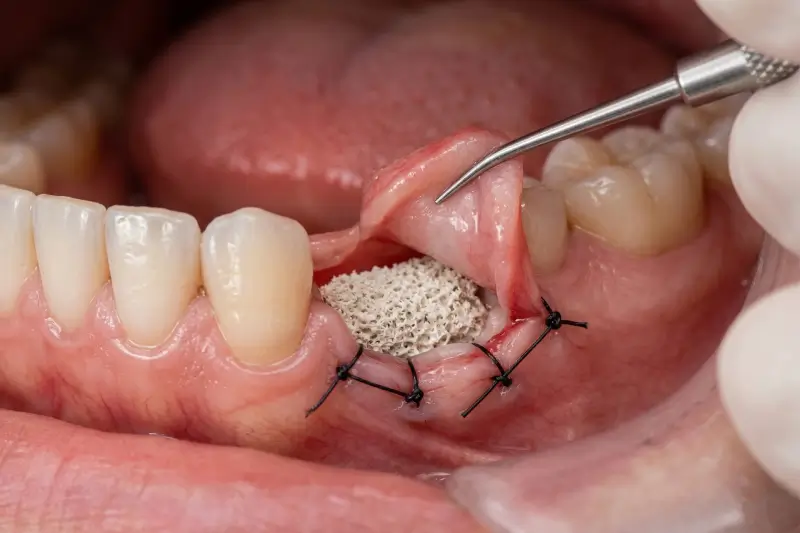
Flap surgery in Pitampura is a procedure done in cases of gum disease where the gum tissue has receded so that it no longer covers the entire tooth root or attaches well enough to maintain tooth stability. Usually there exists a space (pocket) between the tooth and gums which is filled with plaque (bacteria) and calculus. Patients sometimes complain of teeth that have become loose, bad odour and bleeding from gums. The goal of surgery is to rebuild lost gum tissue on a clean foundation. Using flap surgery, areas of the gums are cut back, and while the gum tissue is flapped back, the exposed parts of teeth can be deep cleaned and treated with bacteria-killing topical agents.
Why Choose Wisdom Bites for Gum Flap Surgery in Pitampura
Expert Team
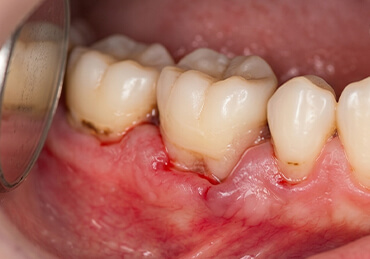
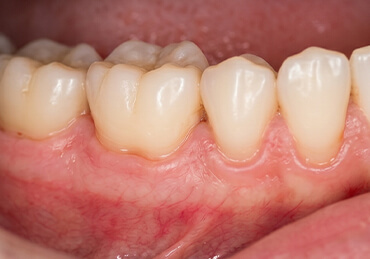
“Patient came to our clinic with swollen and bleeding gums due to infection. After flap surgery treatment, the gums were cleaned and restored to a healthy state.”
Natural Comfort
Strong & Long-Lasting
Secure & Stable Options
Before
After
Frequently Asked Questions
It is normal to expect some minor bleeding, even though it will be sufficiently controlled during the procedure. Any provided gauze should be kept in your mouth for about 1-2 hours, but you can replace it as needed. It is also important to avoid intense rinsing and spitting for at least the first 24 hours in order to aid blood clot stabilization.
Swelling -
Directly after your surgery and for 24-48 hours, swelling can be reduced by the application of a cold pack to your face on the part of your mouth closest to the surgical area. The best method for cold pack application is to use them intermittently every 20 minutes.
Medications -
Antibiotics are prescribed in order to prevent infection. Additionally, the anti-inflammatory and pain medications are useful prescribed for reducing swelling and discomfort.
Alcohol and Tobacco -
For 24 hours after surgery, do not drink any alcohol. Also, you shouldn’t smoke for at least two full weeks; smoking can have a powerfully negative effect on the healing process after surgery.
Diet -
After your surgery, you will have to maintain a soft diet for at least 2 weeks. A diet of soft foods will serve to minimize trauma to the surgical sites, and this can have a positive effect on healing.
Hygiene -
Continue to brush all areas of your teeth except for the surgical area with a soft-bristled toothbrush; just take care when brushing near the surgical site so as to prevent further trauma. Chlorhexidine gluconate mouthwash may be used two to three times a day.