
TMJ Treatment in Delhi: Understanding Jaw Joint Pain and Its Treatment Options
The temporomandibular joints connect your lower jaw to your skull and help you perform everyday activities such as chewing, speaking and yawning. When these joints or the surrounding muscles develop problems, they can cause discomfort and affect normal jaw movement.
At Wisdom Bites Dental Clinic, Delhi, patients can enquire about an initial dental assessment for oral and jaw-related concerns. Understanding the cause of your symptoms is an important first step in identifying whether the problem is dental, muscular, joint-related or requires evaluation by a suitably trained specialist.
For a detailed explanation, read the National Institute of Dental and Craniofacial Research guide to TMD.
What Is a TMJ Disorder?
TMJ disorders are a group of conditions affecting the jaw joints and the muscles responsible for jaw movement.
These conditions may involve:
- The temporomandibular joint itself.
- Muscles used for chewing.
- The disc and other structures inside the joint.
- Pain conditions associated with jaw movement.
TMJ and TMD are not exactly the same terms. TMJ refers to the joint, whereas TMD refers to disorders affecting the joint and related muscles.
Common Symptoms of TMJ Disorders
Symptoms can vary from person to person. Some common signs include:
1. Jaw Pain
Pain around the jaw joint, cheeks or nearby muscles may become noticeable while chewing or speaking.
2. Clicking or Popping Sounds
You may hear clicking or popping sounds when opening or closing your mouth. A sound without pain or restricted movement is common and does not necessarily require treatment.
3. Difficulty Opening the Mouth
Some people experience stiffness or restricted movement when trying to open their mouths.
4. Jaw Locking
The jaw may temporarily become stuck in an open or closed position.
5. Headaches and Facial Discomfort
Some people with TMD experience headaches around the temples or discomfort spreading towards the face and neck.
You can learn more about these symptoms in the NIDCR guide to temporomandibular disorders.
What Causes TMJ Disorders?
There is not always one identifiable cause. Possible contributing factors include:
- Jaw injury or trauma.
- Teeth grinding and clenching.
- Overuse of jaw muscles.
- Stress-related muscle tension.
- Changes or problems involving the jaw joint.
- Certain inflammatory or joint conditions.
It is important not to assume that every jaw-pain problem is caused by TMJ disorders. Dental infections, tooth problems and other conditions can produce similar symptoms.
Read our related guide: Causes of Jaw Pain.
How Are TMJ Disorders Evaluated?
A proper evaluation helps identify the possible source of discomfort.
It may include:
- Medical and dental history: Understanding when the pain started, how frequently it occurs and what makes it worse.
- Jaw examination: Checking jaw movement, tenderness, muscle discomfort and any locking or movement restrictions.
- Dental examination: Checking for tooth damage, infection, grinding-related wear and other oral health concerns.
- Imaging when necessary: Depending on the symptoms, a clinician may recommend X-rays, MRI or CT imaging.
Not every patient requires imaging. The appropriate examination depends on the individual symptoms and clinical findings.
For more information, see the NIDCR explanation of TMD diagnosis.
TMJ Treatment Options
Treatment depends on the underlying condition, symptom severity and clinical assessment.
1. Conservative Management
Many people improve with simple, non-invasive measures such as:
- Eating softer foods temporarily.
- Avoiding chewing gum.
- Avoiding excessive jaw movements.
- Applying a warm or cold compress.
- Reducing unnecessary jaw clenching.
- Following appropriate jaw exercises recommended by a professional.
The NIDCR treatment guide explains why simpler and conservative options are generally considered before more invasive procedures.
2. Medication
A doctor or dentist may recommend suitable medication depending on the cause and severity of symptoms. Medication should be taken only according to professional advice.
3. Oral Appliances
In selected cases, a dentist may recommend an oral appliance to protect teeth from grinding or clenching. These appliances should be selected and monitored professionally.
4. Physical Therapy
Some patients may benefit from guided exercises or physical therapy to improve jaw movement and muscle function.
5. Specialist Referral
Persistent, complex or severe symptoms may require assessment by an appropriately trained orofacial pain specialist, oral and maxillofacial surgeon or another relevant healthcare professional.
Surgery is not usually the first treatment option for TMJ disorders. More invasive procedures should only be considered after careful assessment.
When Should You Seek a Dental Evaluation?
Consider getting professional advice if you experience:
- Persistent jaw pain.
- Difficulty chewing.
- Repeated jaw locking.
- Painful clicking sounds.
- Restricted mouth opening.
- Facial discomfort associated with jaw movement.
- Tooth damage from repeated grinding.
If you cannot open your mouth normally, cannot eat or drink, or have severe or rapidly worsening symptoms, seek prompt medical or dental care.
Why Is Proper Diagnosis Important?
Jaw pain can have several possible causes. Treating the wrong condition may delay appropriate care.
For example, jaw discomfort caused by a dental infection requires a different approach from muscle-related TMD. Similarly, tooth grinding may require assessment of both tooth damage and contributing habits.
Read more about dental problems that can cause jaw pain and teeth grinding and bruxism.
A proper clinical examination helps determine whether dental treatment, conservative management or specialist referral is appropriate.
Book a Dental Consultation at Wisdom Bites, Delhi
If you are experiencing jaw discomfort, clicking sounds or difficulty with normal jaw movement, an initial dental evaluation can help identify possible causes and the next steps.
Wisdom Bites is located in Dakshini Pitampura, New Delhi. Contact the clinic to discuss your symptoms and confirm whether the required assessment is available.
Contact: Get in touch with Wisdom Bites or book an appointment.
Why Us?
Expert Team
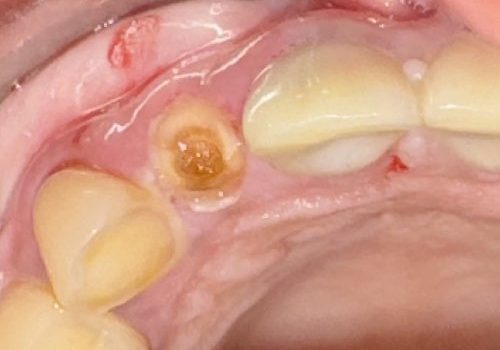
“Patient came to our clinic with severe tooth pain and a damaged tooth. With our ‘Tooth in 1 Hour’ treatment, the tooth was restored and the smile was brought back within just one hour.“
Before