
Introduction
Jaw pain is not always caused by a jaw joint problem. Sometimes, the discomfort you feel around your lower jaw, cheeks or near your ears may actually originate from your teeth or gums.
Dental problems such as tooth decay, infections, gum disease and wisdom tooth complications can cause pain that spreads towards the surrounding jaw area.
This is why identifying the actual source of discomfort is important. Treating a dental infection, for example, requires a different approach from managing a temporomandibular joint disorder.
The NHS toothache guide explains common signs that may indicate a dental problem requiring an examination.
1. Tooth Decay
Tooth decay develops when bacteria and acids damage the outer layers of a tooth.
As decay progresses towards the inner part of the tooth, it may cause sensitivity and pain.
Common symptoms include:
- Toothache while eating.
- Sensitivity to hot or cold food.
- Pain when biting.
- Persistent discomfort in the affected tooth.
If the decay becomes deep, the pain may feel more widespread around the nearby jaw area.
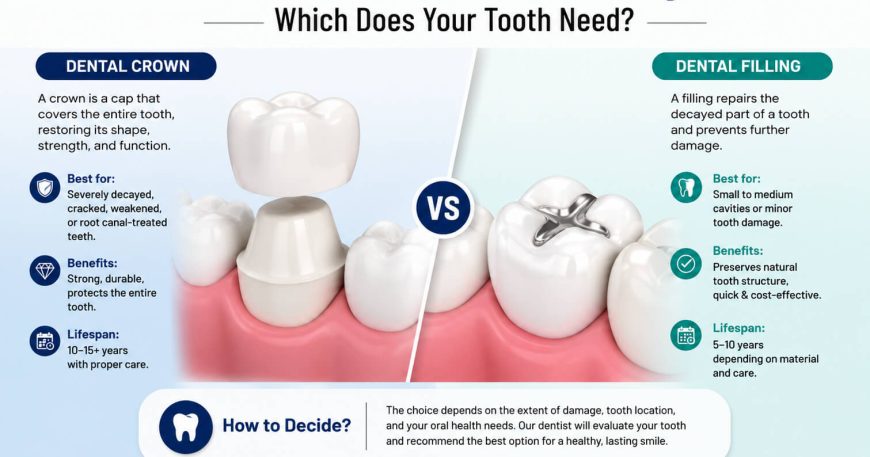
Treatment: Depending on the extent of decay, treatment may include a dental filling, root canal treatment or another appropriate procedure.
For more information about restorative dental care, explore the Wisdom Bites website.
2. Dental Abscess or Tooth Infection
A dental abscess is a collection of pus caused by a bacterial infection.
It can develop around the root of a tooth or in the surrounding gum tissue.
Possible symptoms include:
- Severe toothache.
- Swelling around the gums or face.
- Pain spreading towards the jaw.
- Fever.
- Bad taste in the mouth.
- Pain while chewing.
A dental abscess requires prompt professional treatment. It should not be managed only with home remedies.
Treatment: Depending on the infection, treatment may involve draining the abscess, root canal treatment, tooth removal or other clinically appropriate care.
The NHS dental abscess guide explains why an abscess requires urgent dental attention and identifies warning signs such as facial swelling and difficulty swallowing.
Seek urgent dental care if you suspect a dental abscess. Facial swelling accompanied by difficulty breathing or swallowing requires emergency medical attention.
3. Wisdom Tooth Problems
Wisdom teeth are the last molars at the back of the mouth. Sometimes, they do not have enough space to erupt properly.
This may cause an impacted or partially erupted wisdom tooth.
Common symptoms include:
- Pain at the back of the mouth.
- Swollen gums.
- Difficulty chewing.
- Discomfort around the jaw.
- Difficulty opening the mouth in some cases.
Food and bacteria may become trapped around a partially erupted wisdom tooth, causing inflammation or infection.
Treatment: A dentist may recommend monitoring, cleaning, medication where appropriate or referral for wisdom tooth removal, depending on the examination.
Read our related article: When Should You Visit an Oral Surgeon?.
For additional patient information, see the NHS guide to wisdom tooth removal.
4. Gum Disease
Gum disease is an infection or inflammatory condition affecting the tissues that support your teeth.
Early gum disease may cause redness, swelling and bleeding. More advanced disease can damage the supporting structures around teeth.
Common symptoms include:
- Bleeding gums.
- Gum swelling.
- Persistent bad breath.
- Gum recession.
- Loose teeth in advanced cases.
Severe dental or gum infections may be accompanied by pain around the jaw.
Treatment: Treatment may involve professional cleaning, periodontal care and other procedures depending on the severity.
5. Cracked or Damaged Teeth
A cracked tooth may cause pain when biting or releasing pressure.
Some cracks are difficult to identify without a dental examination.
Possible symptoms include:
- Pain while chewing.
- Sensitivity to temperature.
- Intermittent toothache.
- Discomfort around the affected side of the jaw.
Treatment: Depending on the location and severity of the crack, treatment may include bonding, a crown, root canal treatment or extraction.
6. Dental Problems and TMJ Disorders: How Are They Different?
Dental problems and temporomandibular disorders can sometimes produce similar symptoms, but their causes are different.
| Dental problems | TMJ disorders |
|---|---|
| Often originate from teeth or gums | Affect jaw joints and related muscles |
| May cause tooth sensitivity | May cause jaw muscle tenderness |
| Pain may increase with hot or cold food | Pain may increase with jaw movement |
| May involve swelling around a tooth or gum | May involve restricted jaw movement |
| May require fillings, root canal or gum treatment | May require conservative management or specialist assessment |
These are general differences, not a diagnostic test. A proper examination is needed to identify the cause.
You can also read our guide on TMJ treatment and jaw joint problems and the NIDCR guide to TMD.
How Can You Prevent Dental Problems?
Maintaining good oral hygiene can help reduce the risk of several dental problems.
- Brush twice daily with fluoride toothpaste.
- Clean between your teeth regularly.
- Limit frequent consumption of sugary foods and drinks.
- Visit your dentist for regular check-ups.
- Do not ignore persistent tooth sensitivity.
- Seek dental advice if you notice gum swelling or bleeding.
For additional oral health information, visit the NIDCR oral health resources.
When Should You Visit a Dentist?
Do not ignore jaw discomfort if it occurs with toothache, swelling or gum problems.
Arrange a dental examination if you experience:
- Persistent toothache.
- Pain while biting or chewing.
- Swollen or bleeding gums.
- Sensitivity that does not improve.
- Pain around a wisdom tooth.
- Facial discomfort associated with a dental problem.
Seek urgent care if you develop facial swelling with fever or feel unwell. Difficulty breathing or swallowing requires emergency medical attention.
For further guidance, read the NHS dental abscess advice and NHS toothache guidance.
Conclusion
Jaw pain can sometimes be linked to dental conditions rather than TMJ disorders. Tooth decay, dental abscesses, gum disease, cracked teeth and wisdom tooth complications may all contribute to discomfort around the jaw.
Identifying the source of pain is essential for choosing appropriate treatment. If your jaw pain is accompanied by toothache, swelling or gum-related symptoms, consult a qualified dental professional.
For more information about the clinic, visit Wisdom Bites About Us or contact the clinic.
Frequently Asked Questions
1. Can a tooth infection cause jaw pain?
Yes. A dental infection or abscess can cause pain around the affected tooth, gums, cheek and jaw. It requires prompt dental evaluation.
2. Can wisdom teeth cause jaw pain?
Yes. Impacted or partially erupted wisdom teeth can cause gum inflammation, infection, swelling and discomfort around the jaw.
3. Can gum disease cause jaw discomfort?
Gum disease primarily affects the tissues supporting teeth. Advanced dental or gum problems may be associated with discomfort around nearby areas and should be examined.
4. How do I know if jaw pain is caused by a tooth or TMJ?
Tooth sensitivity, pain while biting and swelling around a tooth may suggest a dental problem. Pain with jaw movement, stiffness and painful clicking may suggest TMD. These symptoms overlap, so a clinical examination is needed.
5. When should I seek urgent dental care?
Seek urgent care for suspected dental abscess, significant swelling, fever with worsening dental pain or rapidly worsening symptoms. Difficulty breathing or swallowing is an emergency.
